24 July 2026 · 8 min read
Speaking up when you are the only woman in the room
The advice is usually to be more confident. That is not advice, it is a description of the outcome. Here is what actually changes how you are heard.
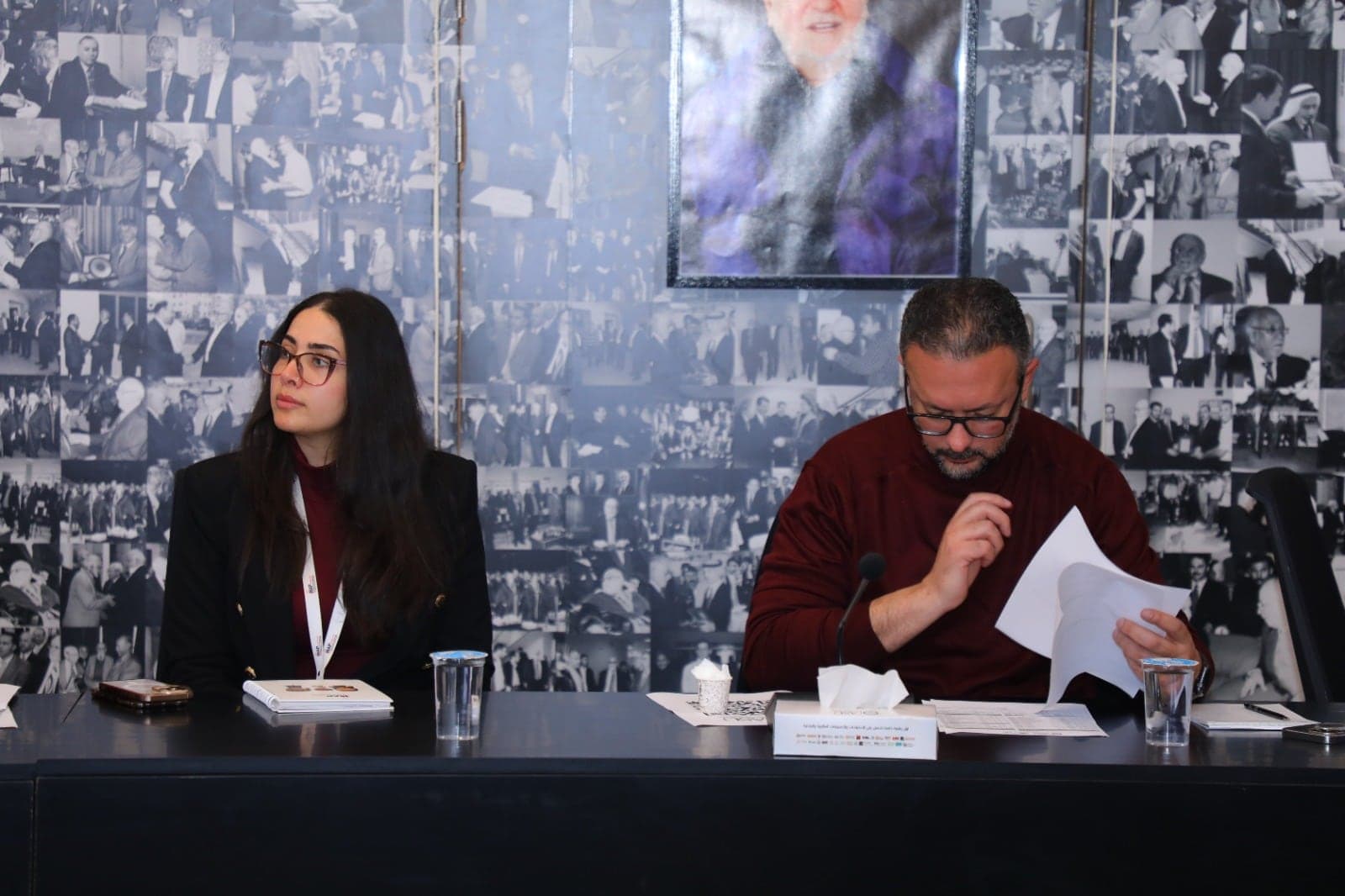
You have the point. You have been holding it for four minutes, waiting for a gap. The gap does not come. When it finally does, you start — and someone talks over you. Later, a colleague says almost the same thing and the room agrees with him.
If you have lived this, you already know the standard advice: be more confident, speak up, own the room.
That advice is useless. Not because it is wrong, but because it names the outcome and calls it a method. Nobody has ever become confident by being told to be confident.
What actually changes things is more mechanical, and more learnable, than that.
Name the dynamic accurately
Before anything else, it helps to be precise about what is happening, because misdiagnosis leads to the wrong fix.
Being interrupted more, having your point attributed to someone else, being asked to take the notes — these are patterns that show up consistently in mixed rooms. Reading them as a personal failure of assertiveness is both inaccurate and expensive. It sends you looking for a fix inside yourself for something that is happening in the room.
That does not mean you are powerless. It means the useful question is not what is wrong with how I speak but what do I control in this specific situation. Usually more than it feels like, and usually not the things you have been told.
Enter earlier than feels comfortable
The most common structural mistake is waiting for a natural opening. In a fast, crowded discussion, there is no natural opening. Openings are made, not found.
The people who speak most are not waiting for permission; they are entering at the seam between two sentences, before a point is fully finished. If you wait for a clean gap, you will wait until the topic has moved on.
Practical version: enter in the first third of a discussion, not the last. The first contribution is disproportionately cheap — the room has not yet formed a position, so you are contributing rather than contradicting. It also establishes you as someone who talks, which makes every subsequent contribution easier. Silence compounds; so does presence.
You do not need your best point for this. A question, a reframe, or agreement with something specific all count.
Say the conclusion first
In many rooms, people build to their point: context, reasoning, then conclusion. It is a courteous structure and it is fragile — if you are interrupted at sixty percent, you have said nothing at all.
Invert it. Conclusion first, then the reasoning.
"I think we should delay the launch. Three reasons."
Now an interruption costs you the supporting detail, not the point. And the room knows where you are going, which makes them more likely to let you finish.
This one change does more than any amount of vocal coaching.
Handle the interruption in one clause
When you are cut off, the instinct is to stop and let them go, then try to return later. You rarely get back.
The alternative is not to fight for volume. It is a short, unbothered clause that reclaims the floor without escalating:
"Let me finish this thought — then I want to hear that."
Delivered flatly, without apology and without heat. The tone matters more than the words. Irritation makes it a conflict; warmth makes it a normal piece of meeting traffic that nobody remembers afterwards.
If your point does get absorbed by someone else, the move is attribution rather than protest: "Glad that landed — building on what I raised earlier, the follow-on is…" You get the credit without making anyone defend themselves, and defensiveness is what actually loses rooms.
Drop the softeners
Listen for the phrases that arrive before your point and remove its weight.
Sorry, just, I might be wrong, does that make sense, I'm not an expert but.
Each one is small. Stacked, they instruct the room how much to weigh what follows. "Sorry, I just wanted to quickly say, and I might be wrong here…" has told everyone to relax before you have said anything.
You do not need to sound severe. Warmth is an asset and you should keep it. The distinction: warmth is directed at people, softeners are directed at your own point. Keep the first, cut the second.
Record yourself in a normal meeting and count them. Most people are shocked, then improve quickly, because it turns out to be a habit rather than a belief.
Use allies deliberately
The most effective intervention often does not come from you.
If someone else in the room names it — "I think Shahd was still speaking", or "that was Shahd's point" — it costs them almost nothing and changes the room's behaviour far more than self-advocacy does. Self-advocacy is read as interest; third-party advocacy is read as fact.
This is arrangeable. Tell a colleague before the meeting that you will be raising something and ask them to come in behind it. That is not a favour; it is what functioning teams do routinely, usually informally, usually for each other.
What this is not
It is not becoming someone else. The advice to be louder, harder, or more aggressive asks women to adopt a style that is often penalised anyway, and it costs you the thing that actually works — being the person in the room people trust.
Everything above is structural rather than personal. Enter earlier. Conclusion first. One clause to reclaim. Cut the softeners. Arrange your support. None of it requires you to be a different person by Monday.
The part I want to say directly
Across the programmes I have run, the pattern is nearly universal: the women in the room do not lack ideas, and they do not lack the ability to articulate them. What they lack is the mechanics — a small set of specific, teachable moves that nobody ever taught them, because the training almost always stops at "be confident".
Confidence is not the input. It is what accumulates after you have been heard a few times and the room did not end.
Start with one thing. Next meeting, speak in the first third. That is the whole task. The rest follows more easily than you expect.